
Big Lake Death Index Records
Big Lake is a census-designated place in the Matanuska-Susitna Borough, and death index records for this community are registered and maintained through the Alaska Health Analytics and Vital Records Section. Residents and researchers looking for death certificates in the Big Lake area should direct requests to HAVRS, with supplemental resources available through the Mat-Su Borough, FamilySearch, and the Alaska State Archives for historical research.
Big Lake Death Index
Vital Records for the Big Lake Area
Big Lake has no independent municipal government. The community sits in the Mat-Su Valley northwest of Wasilla, and the Matanuska-Susitna Borough provides local services including property assessment, planning, and zoning. Death certificates, however, are not a borough function in Alaska. They are a state responsibility handled entirely by HAVRS. No local office in Palmer or Wasilla can issue a death certificate for a Big Lake resident.
When a death occurs in Big Lake, the attending physician, medical examiner, or coroner completes the death certificate and files it with HAVRS. The agency registers the document and it becomes part of the statewide death index. The certificate lists the full legal name of the deceased, date and place of death, cause and manner of death, and relevant family details. This is the record that courts, banks, and title companies require when closing an estate.
Alaska restricts access to death records less than 50 years old. Immediate family members, legal representatives, and individuals with a documented personal or property interest can request copies of recent records. Records 50 years old or older are open to the public. As of 2026, deaths from 1976 and earlier are publicly accessible. The same rules apply throughout the Matanuska-Susitna Borough, including Big Lake.
Requesting Records Through HAVRS
HAVRS operates two offices. The main office in Juneau is at 5441 Commercial Boulevard, Juneau AK 99801, phone (907) 465-3391. The Anchorage office at 3901 Old Seward Highway, Suite 101, phone (907) 269-0991, is more convenient for Mat-Su Valley residents. Both offices process death certificate requests for the Big Lake area.
Online ordering through the state's VitalChek portal is the fastest method. You can also download request forms from the HAVRS website and mail them with payment. The fee is $30 for the first certified copy and $25 for each additional copy requested at the same time. Walk-in service is available at the Anchorage office during business hours.
You will need the full legal name of the deceased, approximate date of death, and your relationship to the person or reason for the request. Requests for restricted records require documentation proving eligibility. The HAVRS vital records orders page lists accepted forms of identification and explains what to include with your request.
The Matanuska-Susitna Borough provides local government services for Big Lake, including property assessment records that can support estate and genealogical research in the area.
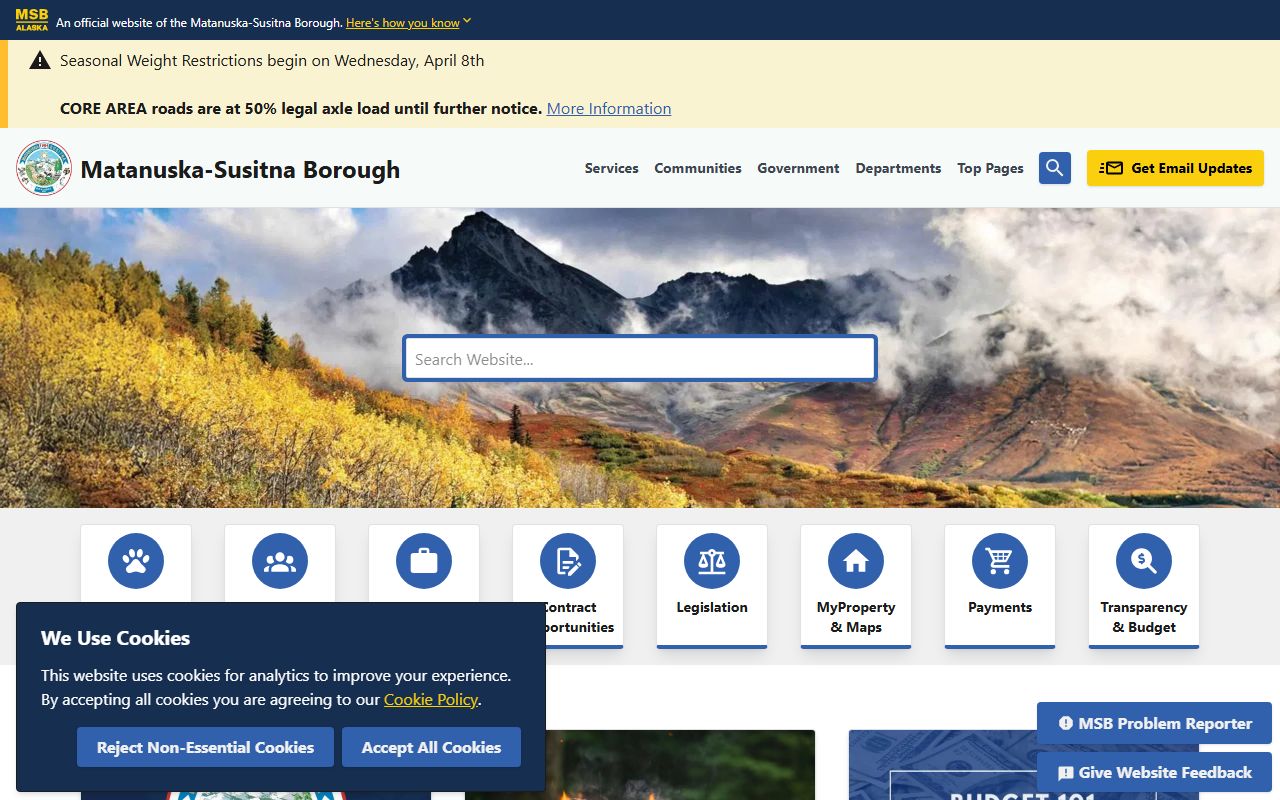
Mat-Su Borough property records can show ownership history and parcel details for land in the Big Lake area, which is useful when researching estates involving real property.
Matanuska-Susitna Borough Resources
The Matanuska-Susitna Borough offices are at 350 East Dahlia Avenue, Palmer AK 99645. The borough's assessing department maintains property records for the Big Lake area. These can be helpful during estate research when the deceased owned land in the area. The borough's online property search tool is publicly accessible and shows ownership history, parcel data, and assessed values.
When someone dies with real property in Big Lake, the estate process typically involves the Superior Court. Probate matters for the Matanuska-Susitna Borough are handled at the Palmer Superior Court, located at 435 South Denali Street, Palmer AK 99645, phone (907) 746-8181. Probate filings are public record once submitted to the court. They can list heirs, describe estate assets, and show how property was distributed, all of which can be useful for genealogical research.
The Mat-Su Valley Frontiersman is a regional newspaper that covers the Big Lake area and the broader Matanuska-Susitna Borough. It publishes obituaries for community members and has a searchable online archive for more recent issues. Older print issues may be available through the Wasilla Public Library or the Mat-Su College library. Obituaries often contain family details and biographical information that do not appear in official death records.
Historical Records and FamilySearch
FamilySearch holds genealogical records for the Matanuska-Susitna Borough and surrounding areas. The Alaska Vital Records collection on FamilySearch spans 1816 through 2005 and includes records from across the state. For deaths in the Mat-Su Valley, the collection may include records from Talkeetna, Wasilla, and Palmer going back to the territorial era. These older records can fill gaps for researchers looking at ancestors who settled the valley in the early statehood or homestead era.
The Mat-Su Valley was opened to homesteading in the 1930s through a federal program that brought farming families from the Midwest. This settlement history means that many Mat-Su families trace back to that period, and FamilySearch may hold records connected to those early homesteaders. Territorial court records and early vital registration documents can help trace deaths that occurred before formal statewide vital registration was well established.
Alaska's Vital Statistics Act establishes the legal framework for death record registration and access across the state, including for Big Lake and the Matanuska-Susitna Borough.
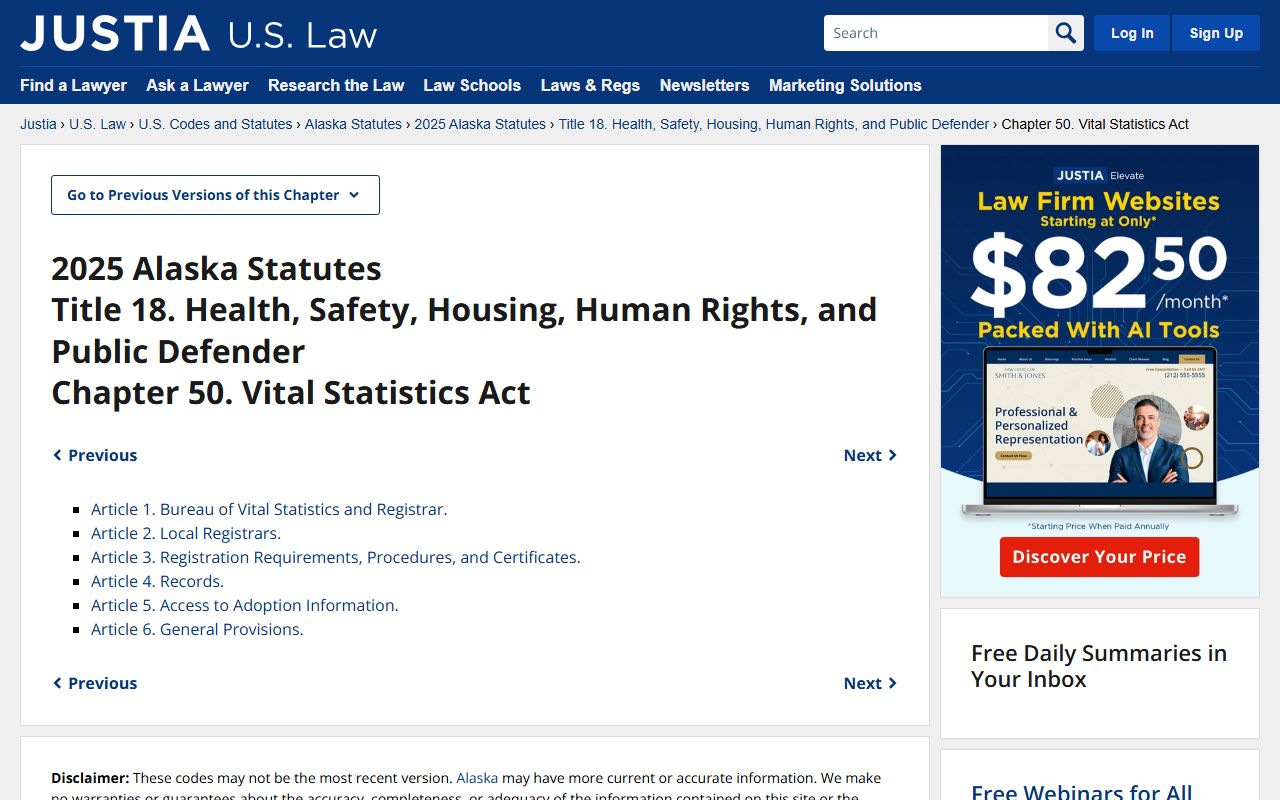
Understanding the Vital Statistics Act helps researchers know what information a death certificate must contain, who can access restricted records, and how to appeal a denial from HAVRS.
The Alaska State Archives in Juneau holds territorial-era and early statehood records for communities throughout Alaska. For deaths that occurred before the modern HAVRS system was operating at full capacity, the Archives may have records not available through standard certificate requests. Their genealogy section maintains finding aids online and staff can help researchers identify relevant collections for the Matanuska-Susitna area.
The 50-Year Rule and Access Eligibility
The 50-year threshold is the most important rule to know when requesting death records in Alaska. Recent records are restricted. Older ones are not. This applies everywhere in the state, and Big Lake is no exception. If you are researching a death that occurred more than 50 years ago, you can request a certified copy without needing to prove a family relationship or legal interest.
For deaths within the last 50 years, eligibility matters. HAVRS accepts requests from immediate family members, which include spouses, parents, children, and siblings. Legal representatives can request on behalf of estates. Others with a documented personal or property interest may also qualify, but they need to explain that interest and may need to provide supporting documentation.
If you are not sure whether your request qualifies, calling HAVRS before submitting is worth the time. Staff can walk you through what documentation you will need and whether the specific record you want falls within the restricted period. A brief phone call can prevent delays from an incomplete submission. The Anchorage office at (907) 269-0991 serves Mat-Su Valley residents and is typically reachable during regular business hours.
Additional Sources for Big Lake Death Research
Social Security Death Index data is searchable through several genealogy platforms and covers individuals who paid into Social Security and whose deaths were reported to the Social Security Administration. This index is a useful check when you have a name and approximate year of death and want to confirm basic facts before submitting a formal HAVRS request.
The CDC Alaska vital records page provides national context and confirms HAVRS as Alaska's sole issuing authority for death certificates. The Alaska State Library genealogy resources page lists digitized collections and research guides that can help researchers working on Mat-Su Valley family history.
Military records are another useful source. If the deceased served in the armed forces, the National Archives holds service records and discharge papers. Alaska passed legislation allowing a special state death certificate recognition for qualifying veterans. Families should ask HAVRS about the current program when they contact the office. The Alaska HB 99 veteran certificate program may provide additional documentation for families with military backgrounds.
The Vital Statistics Act under Title 18, Chapter 50 sets out the complete legal framework for death record registration and access in Alaska. Researchers who want to understand their rights and the full scope of what HAVRS maintains will find the statute a useful reference. It defines terms, establishes procedures, and lays out the appeal process if a record request is denied.
For estate work, plan to order multiple certified copies of the death certificate. Most agencies will not accept photocopies, and you may need to submit originals to the probate court, the bank, the title company, and any pension or insurance providers. Ordering extras at the time of the initial request saves the $25 cost of subsequent orders, and it saves time compared to making multiple separate requests.